Car Rental & Driving
EV Charging in Finland: Which Charging Network Should You Use?
A practical comparison of Finnish EV charging networks for visitors: ABC, St1, Neste and Plugit (formerly Helen). Which suits long-distance driving, city stops and foreign payment methods?
7 min readRoadTripFinland
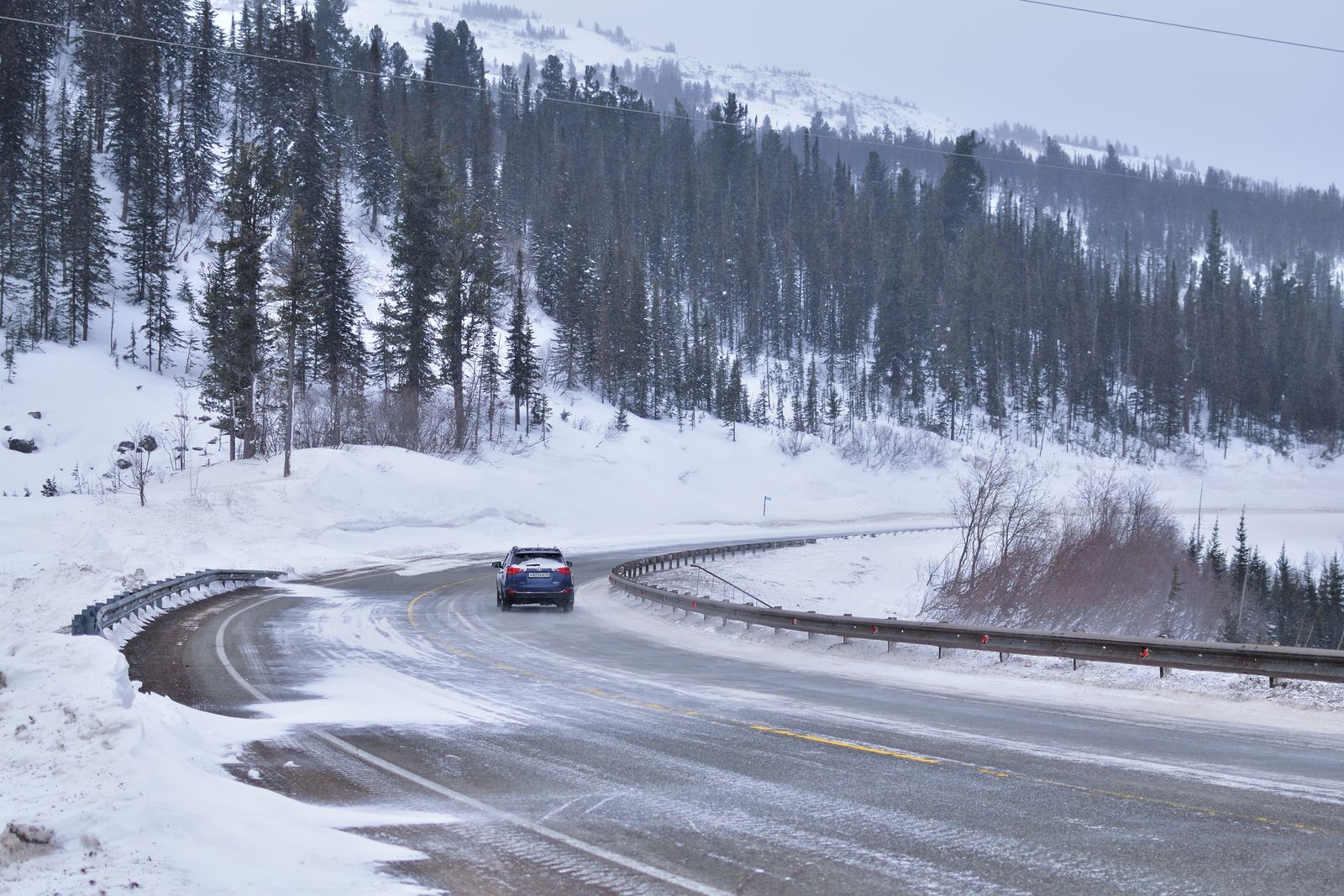
You have rented an electric car in Finland. Your battery is getting low. On the map you see ABC, St1, Neste and perhaps a charger still marked Helen. Which one should you use?
The honest answer: use the working charger that suits your car, is conveniently located and accepts a payment method you have. You do not need to stay loyal to one brand during your trip.
But the networks are not identical. They suit different situations, and understanding the differences helps you plan a smoother journey.
Quick Answer: Which Network for Which Situation?
| Situation | Network to consider first |
|---|---|
| Long-distance highway stop with food/shopping | ABC |
| High-power stop, card payment preferred | St1 |
| High-power stop, app or terminal payment | Neste |
| City parking while you do something else | Plugit / slower destination chargers |
| Former Helen charger on your map | Verify current Plugit instructions |
This table is a starting point, not a rule. The best charger is the one that works, fits your route and accepts your payment.
The Four Main Networks
ABC — the practical road-trip stop
ABC is the network I use most often when driving long distances in Finland. The reason is straightforward: many ABC charging stations are next to a café, restaurant and shop. Charging, eating and picking up supplies can happen during the same stop, which reduces the total time the journey takes.
ABC announced 400 charging stations in October 2026. That is a network milestone, not a guarantee that every ABC service station has a fast charger. Before arriving at a specific site, check that it offers the power level and connector type your car needs.
Payment at ABC high-power stations supports common contactless bank cards and mobile wallets, as well as the ABC app, according to ABC's 2026 information. Verify current payment options at the specific station before you rely on them.
Best for: drivers who want a practical stop with facilities nearby, especially on longer routes where a break makes sense anyway.
St1 — straightforward high-power charging
St1 publishes charger locations and station-specific prices. Its current list includes CCS connectors and payment by contactless card or phone wallet at listed chargers. Some sites use drive-through bays, which can be useful with a trailer or a larger vehicle.
St1 is a useful option when a station is directly on your route and you want clear, station-specific information before you arrive.
Best for: travellers who prefer published location and pricing information and card payment at listed chargers.
Neste — high-power with app and terminal options
Neste's MY Renewable Charge service focuses on high-power charging. Neste says many locations are designed with multiple charging points, which can reduce waiting. Its app shows stations, prices and availability; payment-terminal prices can also be checked on site.
Neste's automatic vehicle recognition is a useful extra for compatible, registered vehicles. A tourist in an unfamiliar rental car should be ready to pay normally at the terminal.
Best for: drivers looking for a modern high-power stop, especially where a Neste location fits the route.
Plugit — city and destination charging (formerly Helen)
This is the detail many older articles will miss. Helen announced that its electric-vehicle charging business transferred to Plugit, effective September 2026. Sites are moving to the Plugit brand and systems over time.
Plugit chargers are often found in city parking areas and destination locations — hotels, shopping centres, car parks — rather than on highway corridors. These are typically slower AC chargers, which suits a stop where you are parked for an hour or more anyway.
I have used Helen Type 2 chargers in Helsinki city parking spaces. The charging itself was unremarkable in the best sense: plug in, park, return to a fuller battery. That kind of slower destination charging is genuinely useful when the car is sitting idle.
If a map still shows a Helen charger, that does not mean it has disappeared. It means you should check the current operator and payment instructions at the site. During a transition, the app or payment method that works may have changed.
Best for: city stops and destination charging where the car will be parked for a while. Verify current Plugit instructions at any former Helen site.
Long-Distance vs City Charging: Different Needs
Long-distance driving in Finland — Helsinki to Tampere, Tampere to Oulu, Oulu to Rovaniemi — calls for fast DC charging at highway-adjacent stops. ABC, St1 and Neste all have fast chargers on these corridors. The priority is power level, connector compatibility and a location that does not add significant detour.
City and destination charging is different. You are parked anyway. A slower AC charger in a hotel car park or city centre parking area can add useful range without requiring a dedicated stop. Plugit (formerly Helen) is common in this context.
For a mixed trip — driving between cities and then staying somewhere for several days — you may use both types. Plan the highway legs around fast chargers and let destination charging top up the battery during overnight stays or longer stops.
Payment for Foreign Visitors
Most major Finnish EV chargers now accept contactless bank cards and phone wallets (Apple Pay, Google Pay) at the terminal. You do not always need a Finnish app or RFID card.
That said, verify payment options at the specific charger before you rely on them. App-only chargers still exist, particularly at older or smaller sites. If you are planning a remote route, download the relevant apps in advance and check that your payment card works internationally.
A practical pre-trip checklist:
- Confirm your rental car's connector type (CCS is most common for fast charging in Finland; Type 2 for slower AC)
- Check whether the rental company provides a Type 2 cable for slower destination charging
- Save the maps or apps for ABC, St1 and Neste along your planned route
- Identify a backup charger for each planned stop
- Keep a contactless bank card available as a fallback
Which Network Is Cheapest?
There is no reliable nationwide winner. Prices vary between stations, payment methods and times. Compare the price shown at the actual charger rather than relying on an old comparison.
A simple illustration: adding 30 kWh at €0.34/kWh costs €10.20 in energy charges before any additional fees. At €0.38/kWh, the same 30 kWh costs €11.40. The difference is €1.20. For most holidaymakers, a conveniently placed charger is worth more than a small price difference.
Which Network Is Fastest?
A charger with a high advertised peak power may be fast, but the car controls what it can accept. Cold batteries, high charge levels and shared station power can all slow charging. A well-placed charger that works reliably may save more time than a theoretically faster charger that requires a significant detour.
The Practical Recommendation
Do not plan your Finnish road trip around one charging brand. Plan the route you want, check chargers along it and use whichever suitable option is available when you need a break. ABC, St1 and Neste can all be useful on highway routes. Plugit (formerly Helen) is useful for city and destination charging.
If you see a former Helen charger on your map, verify the current Plugit instructions rather than assuming the old payment method still works.
Compare electric rental cars in Finland on DiscoverCars — check connector type, winter-equipment terms and pickup location before booking.
Ad link: DiscoverCars. We may earn a commission at no extra cost to you. Opens in a new tab. Read more.
Related reading: EV Charging in Finland: What You Need to Know Before You Drive · Helsinki to Lapland by EV: What Can Go Wrong in Winter? · What type of rental car do you need in Finland? · Driving in Finland in winter
Topics
Continue planning