Plan Your Trip
Finland Winter Packing List: What to Wear at -10°C, -20°C and -30°C
What should you pack for Finland in winter? A practical guide to layers, boots, gloves and cold-weather gear for -10°C, -20°C and -30°C, plus Lapland, Aurora and self-drive tips.
15 min readRoadTripFinland
Last updated: September 1, 2026
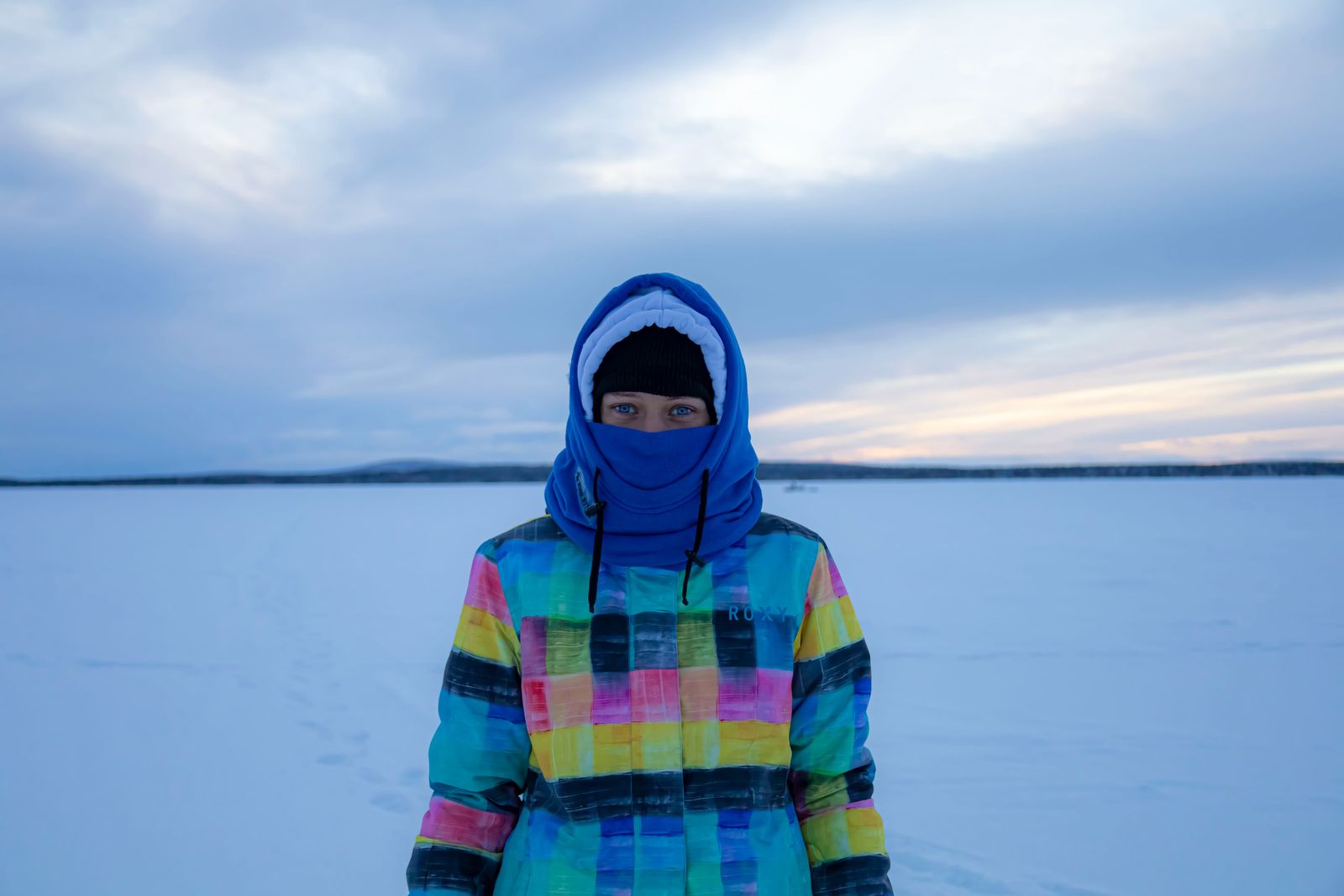
A Finnish winter packing list is less about buying the thickest coat you can find and more about building a clothing system you can adjust.
At around -10°C, good winter clothing is usually enough for sightseeing and normal outdoor activities. At -20°C, small details such as boots, mittens and face protection start to matter much more. At -30°C, especially if you are standing still outdoors, you need genuinely warm layers and you need to pay attention to the weather rather than blindly following a packing list. (That's roughly 14°F to -22°F.)
The most important rule is simple:
Dress for what you will actually be doing, not just for the temperature shown in the forecast.
Walking through Rovaniemi at -15°C is very different from standing on a frozen lake for two hours waiting for the Northern Lights at the same temperature.
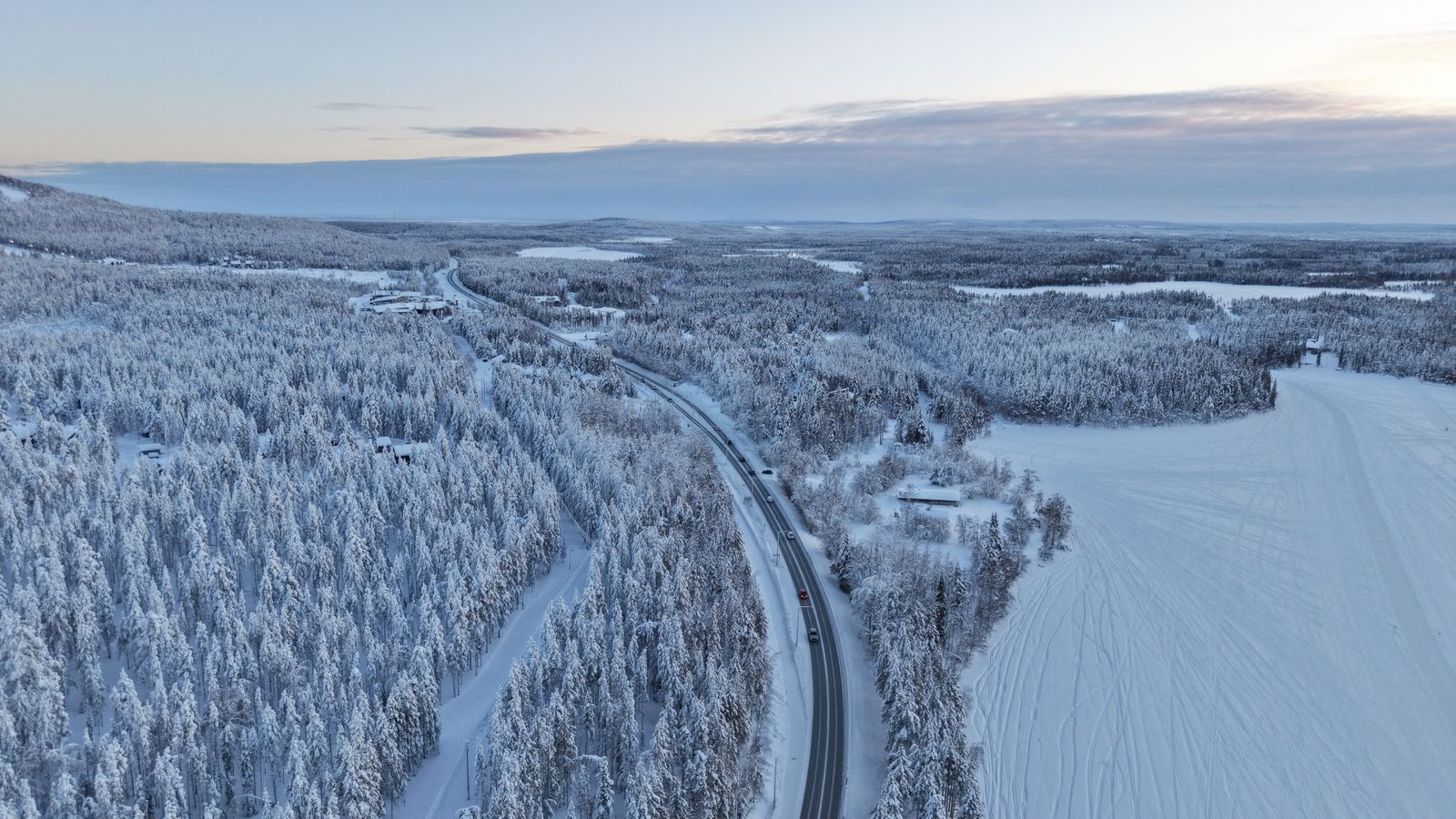
Finnish Lapland averages well below freezing in winter and temperatures can occasionally fall to -30°C or lower. Southern Finland is generally milder, but Helsinki can feel surprisingly cold when wind and damp air are added to the equation.
Here is how to pack without bringing your entire wardrobe.
Quick Finland winter packing list
For most winter trips, start with:
- thermal base layers
- one or two warm mid-layers
- an insulated winter jacket
- warm or insulated trousers for longer outdoor periods
- waterproof or water-resistant winter boots
- wool or technical winter socks
- warm mittens or gloves
- a hat that covers your ears
- a neck gaiter or scarf
- optional face protection for very cold weather
- reflectors for walking in the dark
- normal lighter clothes for hotels, restaurants and indoor attractions
- a power bank
- swimwear if your trip includes a spa or public sauna
- any activity-specific equipment you cannot rent locally
You do not need to wear every layer all day.
Finland is very well heated indoors. A huge Arctic jacket that feels wonderful outside can become unbearable after five minutes in a supermarket or restaurant.
The goal is to be able to add and remove layers easily.
What to wear at -10°C, -20°C and -30°C
These are starting points rather than rigid rules. Wind, moisture, your activity level and how easily you personally get cold can make a large difference.
| Temperature | Good starting point | Add for long outdoor periods |
|---|---|---|
| Around -10°C | Thermal base layer, fleece or wool mid-layer, winter jacket, normal winter trousers and insulated boots | Hat, warm gloves or mittens, wool socks and neck protection |
| Around -20°C | Thermal base layer, substantial wool/fleece mid-layer, insulated jacket, insulated or layered trousers, winter boots | Mittens, neck gaiter, face protection and extra insulation when standing still |
| Around -30°C | Warm base layers, thick mid-layer, properly insulated jacket and trousers, very warm winter boots | Face protection, liner gloves plus mittens, extra mid-layer and shorter periods outdoors if conditions demand it |
Do not treat -30°C as simply "-10°C with a bigger jacket."
At very low temperatures, footwear, hands, face and the amount of time you spend outside become increasingly important.
Always check the local forecast before heading out.
Layer 1: start with a proper base layer
Your first layer should help move moisture away from your skin while providing some insulation.
Good choices include:
- merino wool
- synthetic technical base layers
- other purpose-made thermal underwear
For long periods outdoors, avoid relying on a cotton T-shirt or cotton long underwear as your only base layer. Cotton can hold moisture, which is not ideal when you are sweating and then stop moving in cold conditions.
A thermal base layer should fit fairly close to your body without feeling restrictive.
For a normal winter holiday, you do not necessarily need a fresh base layer every day. Depending on the material and your activities, a few sets can usually be rotated, aired and washed during a longer trip.
Layer 2: wool and fleece do most of the work
The middle layer creates insulation.
A fleece, wool jumper or similar insulating layer works well because you can easily remove it when you go inside.
For colder days, you can use more than one mid-layer.
For example:
Base layer → thin fleece → wool jumper → winter jacket
can be much more flexible than wearing a T-shirt underneath one enormous coat.
If you are walking quickly, cross-country skiing or snowshoeing, use lighter layers and adjust before you become sweaty.
If you are standing still watching the Northern Lights, use more insulation.
That difference matters more than many first-time visitors expect.
Layer 3: your winter jacket and trousers
Your outer layer protects you from wind, snow and cold.
For a Finnish city trip around Helsinki or Tampere, a good insulated winter jacket may be enough on many days.
In Lapland, especially for long outdoor excursions, insulated trousers or proper winter outerwear become much more valuable.
Look for:
- useful wind protection
- enough room for layers underneath
- a hood
- good coverage around your waist and wrists
- practical water resistance for snow and changing conditions
Do not buy purely based on how physically thick a jacket looks. Materials, wind protection, fit and the rest of your layering system matter too.
A coat that is so tight you cannot comfortably fit a mid-layer underneath is not very useful for a Lapland trip.
Boots may matter more than your jacket
Tourists often focus on jackets and underestimate footwear.
Cold feet can ruin an otherwise perfectly comfortable outfit.
For Finnish winter conditions, choose boots that are:
- warm
- suitable for snow
- reasonably water resistant
- equipped with a sole that gives useful grip
- large enough for warm socks without crushing your feet
That last point is important.
Putting two or three thick socks inside boots that are already tight can make the situation worse rather than better.
You want enough room for insulation and circulation.
A good combination for many travellers is a thin normal or technical sock with a warmer wool sock when needed.
Fashion boots with smooth soles may be fine inside a shopping centre but are a poor choice for icy streets.
Mittens are often better than gloves
Your fingers keep each other warmer when they share the same insulated space.
That is why mittens can be significantly more comfortable than individual-finger gloves in very cold conditions.
A useful combination is:
- thin liner gloves
- insulated mittens over them
You can remove the mitten briefly to use your phone or camera without exposing your completely bare hand.
For normal city sightseeing around mild winter temperatures, regular insulated gloves may be perfectly adequate.
For a long Aurora evening at -20°C, bring the mittens.
Protect your head, neck and face
Bring a warm hat that covers your ears.
A neck gaiter is particularly useful because it takes little space and can be pulled higher over your face when necessary.
At colder temperatures or in strong wind, add:
- a balaclava
- face mask
- scarf or neck gaiter that covers exposed skin
The colder it becomes, the less useful it is to leave parts of your face exposed just because you want better holiday photos.
Take the photo. Then put the layer back on.
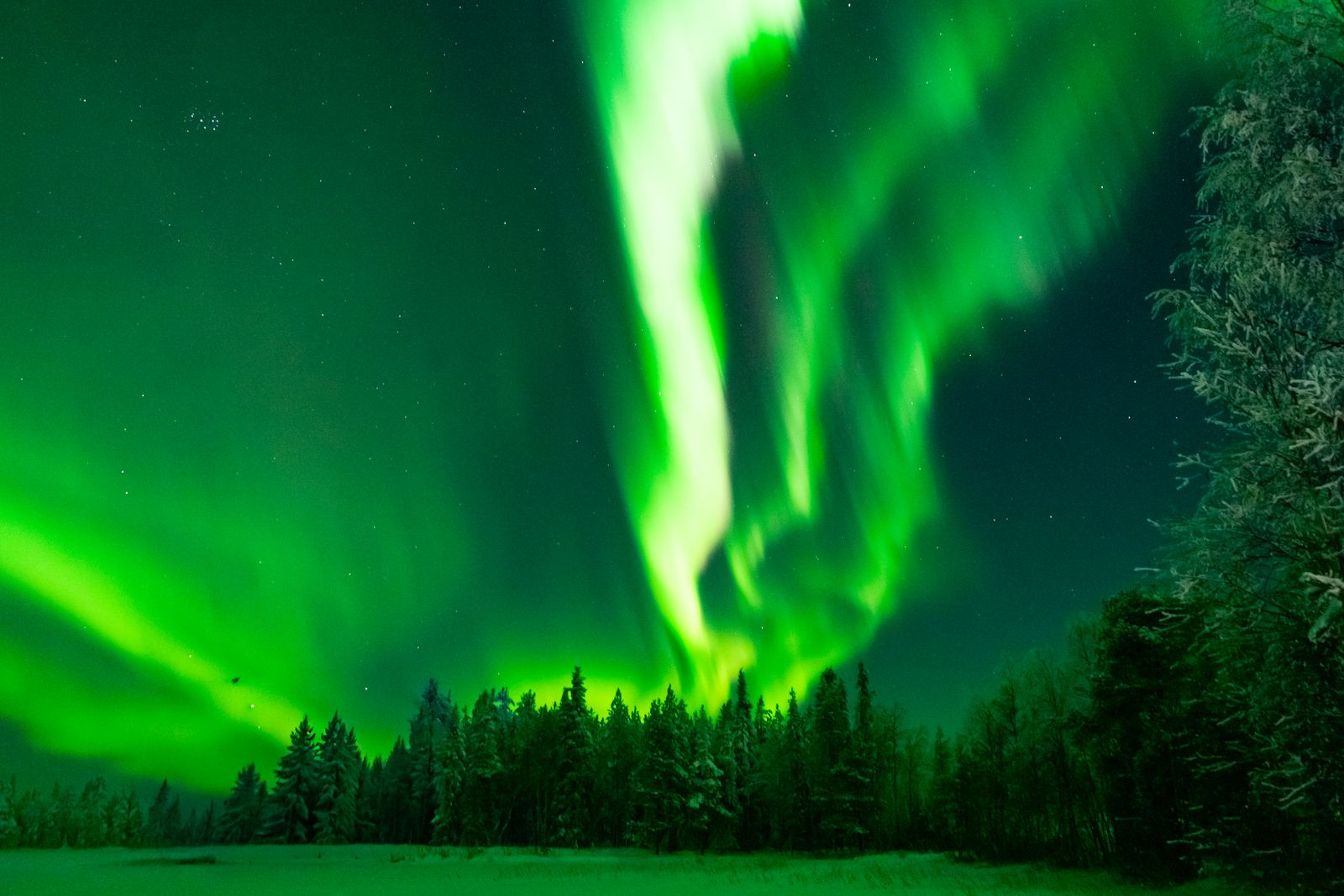
What to pack for a Northern Lights evening
Aurora watching is one of the easiest activities to underdress for.
The problem is not necessarily the temperature. It is that you may spend a long time doing almost nothing.
You might drive to a dark location, step outside and stand on snow for an hour waiting for the sky to cooperate.
That requires more insulation than walking around a town at the same temperature.
For an Aurora evening, consider adding:
- a thicker mid-layer
- insulated trousers
- your warmest mittens
- warmer socks
- neck and face protection
- hand warmers if you like using them
- a hot drink if practical
Read our guide to where to see the Northern Lights in Finland and our guide to Northern Lights timing and forecasts before deciding how long you are likely to be outside.
What about husky, reindeer and snowmobile tours?
Do not automatically buy specialist Arctic outerwear for one excursion.
Many winter activity companies provide thermal overalls, boots or other cold-weather equipment for their guests.
Exactly what is included varies by provider, so check the booking details before your trip.
This creates an important distinction:
You need suitable winter clothing for your holiday even if an activity company gives you an Arctic suit for three hours.
The tour equipment does not necessarily solve what you will wear while walking to dinner, exploring town or waiting outdoors on other days.
If you do not already own suitable winter outerwear, read our guide to renting winter clothes in Lapland. For a short once-in-a-lifetime trip, renting can make much more sense than buying expensive equipment you will never use again.
What should children wear in Lapland?
For children, prioritise practicality.
A useful setup usually includes:
- thermal base layers
- warm fleece or wool layers
- insulated winter outerwear
- waterproof or snow-resistant trousers
- warm boots
- proper mittens
- a hat
- neck protection
- several pairs of dry socks and gloves
Spare gloves are especially useful.
Children play in snow, touch things and get clothing wet in ways adults somehow manage to avoid.
It is much easier to swap into a dry pair than to spend the afternoon trying to dry the only mittens you packed.
Do not make every layer extremely tight. Children need to be able to move, and the clothing system still needs room for insulation.
What to pack for 5–7 days in Finland
You do not need seven complete sets of Arctic clothing.
For a typical week-long winter trip, a sensible starting point for an adult might be:
Base layers
- 2–3 thermal tops
- 2 thermal bottoms
Mid-layers
- 1–2 fleeces or wool jumpers
- optional lighter sweater for indoors
Outerwear
- 1 winter jacket
- 1 pair of insulated winter trousers or suitable outer trousers if spending significant time outdoors
Feet
- 1 pair of proper winter boots
- several pairs of normal socks
- 3–4 pairs of warm or wool socks
Hands and head
- 1 warm hat
- 1 pair of insulated gloves or mittens
- optional liner gloves
- 1 neck gaiter or scarf
Normal clothing
- comfortable indoor trousers
- shirts or tops
- underwear
- sleepwear
Hotels, cabins, shops, restaurants and cars are heated. You will not spend the entire week dressed for an Arctic expedition.
If your accommodation has washing and drying facilities, packing becomes even easier.
Put some winter clothing in your carry-on
If you are checking a suitcase, do not put every single cold-weather item in it.
A useful carry-on backup can include:
- one thermal base layer
- warm socks
- gloves
- a hat
- one warm mid-layer
If your checked luggage is delayed, you can still get through your first evening without immediately buying an emergency winter wardrobe.
If you are travelling directly from the airport into Lapland in winter, this becomes even more useful.
Packing for a winter self-drive trip
A winter road trip changes what you should carry.
Do not put every warm jacket and pair of boots underneath the rest of your luggage where they are difficult to reach.
Keep proper winter clothing accessible inside the car.
For longer drives, useful items include:
- warm jacket
- gloves
- boots
- reflector or reflective vest
- flashlight or headlamp
- charged phone
- power bank
- water
- any medication you need
Finnish road-safety guidance specifically recommends warm clothing and shoes, reflectors or a reflective vest, and a flashlight in case you need to leave the vehicle during a winter breakdown.
Read our Finland winter road trip guide and winter driving advice for foreign visitors before setting off.
If you are still choosing a vehicle, our guide to what type of rental car you need in Finland explains the practical differences.
Do not forget a reflector
This is one of the cheapest and most Finnish pieces of winter equipment you can carry.
Winter days are dark, particularly in the north.
A small pedestrian reflector attached to your coat or bag makes you much easier for drivers to see.
Finnish road-safety guidance states that pedestrians should generally use a reflector in darkness and twilight.
You can buy simple reflectors almost everywhere in Finland.
Phones and cameras in Finnish winter
Cold weather can reduce battery performance.
Keep your phone somewhere warmer than an outside jacket pocket when possible.
A power bank is useful on long outdoor days.
For cameras:
- carry a spare battery
- keep spare batteries warm
- avoid repeatedly exposing equipment to unnecessary cold
- remember that removing gloves to operate tiny buttons becomes surprisingly annoying at -20°C
If photography is an important part of your trip, thin liner gloves can be more valuable than another expensive jacket.
What you probably do not need to buy
A Finland winter holiday can turn into an expensive shopping exercise if you assume every piece of equipment must be expedition-grade.
Most travellers do not need:
- several winter jackets
- multiple pairs of snow boots
- professional mountaineering clothing
- seven sets of thermal underwear
- specialist polar-expedition equipment
- an entirely new wardrobe if suitable items can be rented
Buy or bring the pieces you will genuinely use.
Rent specialist outerwear if that makes more sense.
And check what your booked activities already provide.
Finland packing strategy by trip type
Helsinki winter city break
Prioritise:
- normal thermal layer
- winter jacket
- good shoes with grip
- hat and gloves
- rain/wind protection depending on forecast
You probably do not need heavy Arctic outerwear.
Rovaniemi, Levi, Ylläs or Saariselkä
Bring:
- proper base layers
- warm mid-layers
- insulated jacket
- winter boots
- mittens
- hat and neck protection
Add insulated trousers and stronger cold-weather gear if you expect long periods outside.
Northern Lights-focused trip
Pack warmer than you think you need.
Standing still is the key problem.
Ski trip
Use technical layers that allow you to manage sweat and temperature while moving.
You may actually wear less insulation while skiing than while standing outside afterwards.
Self-drive winter road trip
Pack for the possibility that you may need to be outside the car unexpectedly.
Keep your warm clothing accessible rather than buried in the luggage.
FAQ
How cold is Finland in winter?
It depends heavily on location and weather.
Southern Finland is generally much milder than Lapland. In Finnish Lapland, winter temperatures commonly stay well below freezing and can occasionally fall to -30°C or colder.
Check the forecast for your exact destination rather than packing according to a national average.
Are jeans enough for Finland in winter?
For a short walk in relatively mild winter weather, perhaps.
For long periods outside in real cold, jeans alone are not a good winter clothing system. Add thermal base layers or use warmer trousers.
Do I need snow boots?
If you are visiting Lapland or spending significant time outdoors, proper winter boots are one of the most useful things you can bring.
Warmth, grip and fit matter more than whether the manufacturer literally calls them "snow boots."
Should I wear two pairs of socks?
Sometimes, but only if your boots have enough room.
Compressing your feet inside tight boots can defeat the purpose.
Do I need a huge down jacket?
Not necessarily.
A good base layer, insulating mid-layer and suitable winter jacket can be more versatile than one enormous coat.
Can I rent winter clothes in Lapland?
Yes. Winter clothing rental is available in several major Lapland destinations.
Read our complete guide to renting winter clothes in Lapland before buying equipment specifically for one holiday.
Do winter tours provide clothing?
Many Arctic activity providers supply thermal outerwear for activities such as snowmobiling, husky rides or Northern Lights tours, but this varies by operator.
Check exactly what your booking includes.
What is the single most important thing to pack?
There is no single magic item.
A functioning combination of base layer, mid-layer, winter outerwear, warm boots, head protection and gloves is what keeps the system working.
The RoadTripFinland packing rule
Do not pack for the coldest number you can imagine.
Pack for the coldest activity you are actually likely to do.
A museum afternoon, a ski day, a six-hour winter drive and a midnight Aurora hunt may all happen at the same outside temperature, but they demand completely different clothing.
Build your packing list around layers. Bring proper boots and mittens. Keep your warm gear accessible. Check what you can rent. Then check the actual forecast again before you leave.
For the rest of your winter planning, continue with our Finland winter travel guide.
Topics
Continue planning