Finland Winter Travel
Finland in Winter: 10 Things That Surprise First-Time Visitors
First-time visitors to Finland in winter often arrive with expectations shaped by photos and travel articles. Here are 10 things that regularly catch people off guard — and what to do about each one.
8 min readRoadTripFinland
Last updated: October 26, 2026
First-time visitors to Finland in winter often arrive with expectations shaped by photographs and travel articles. The reality is usually better than the anxiety — but it is also different from the brochure version in ways that are worth knowing before you go.
Here are ten things that regularly catch people off guard.
1. The Darkness Is More Significant Than You Expect
Short days are mentioned in every Finland winter guide. What visitors often underestimate is how much the darkness shapes the day.
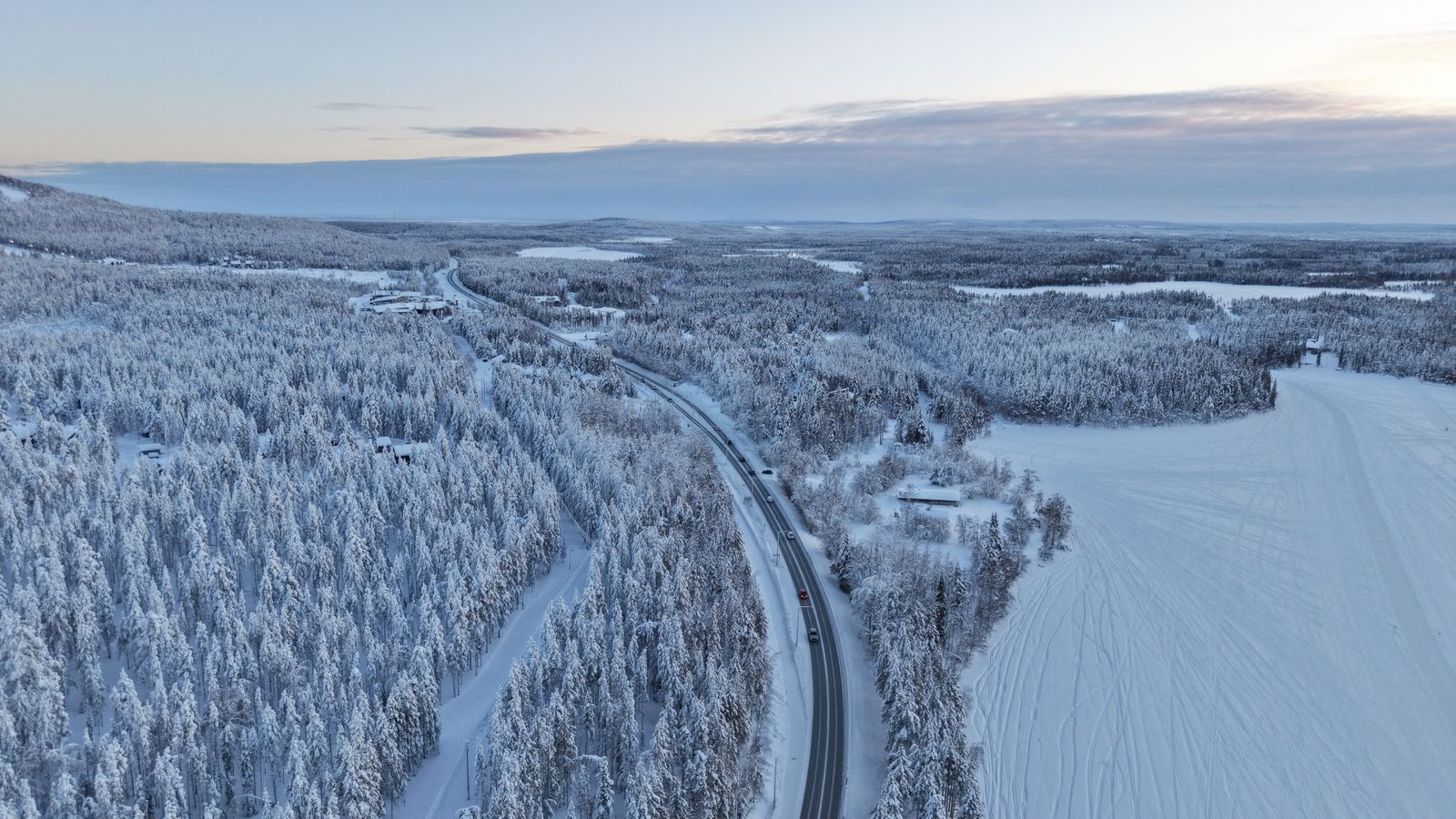
In Helsinki in December, sunrise is around 9:20 and sunset around 15:20 — roughly six hours of daylight. In Rovaniemi, it is less. In Saariselkä, around the winter solstice, the sun barely clears the horizon. The sky lightens for a few hours but does not produce the kind of bright daylight most visitors are used to.
This is not a reason to avoid Finland in winter. It is a reason to plan outdoor activities for the middle of the day, to accept that some days will feel short, and to build an itinerary that works in low light as well as in the brief bright window.
The darkness also has its own quality. The blue light of a Finnish winter afternoon, the glow of snow in the dark, and the possibility of Northern Lights all depend on it.
2. Southern Finland and Lapland Are Very Different Experiences
Finland is a long country. The distance from Helsinki to Rovaniemi is roughly 830 km — comparable to driving from London to Edinburgh and back again. The climate, landscape and character of a winter trip change significantly as you travel north.
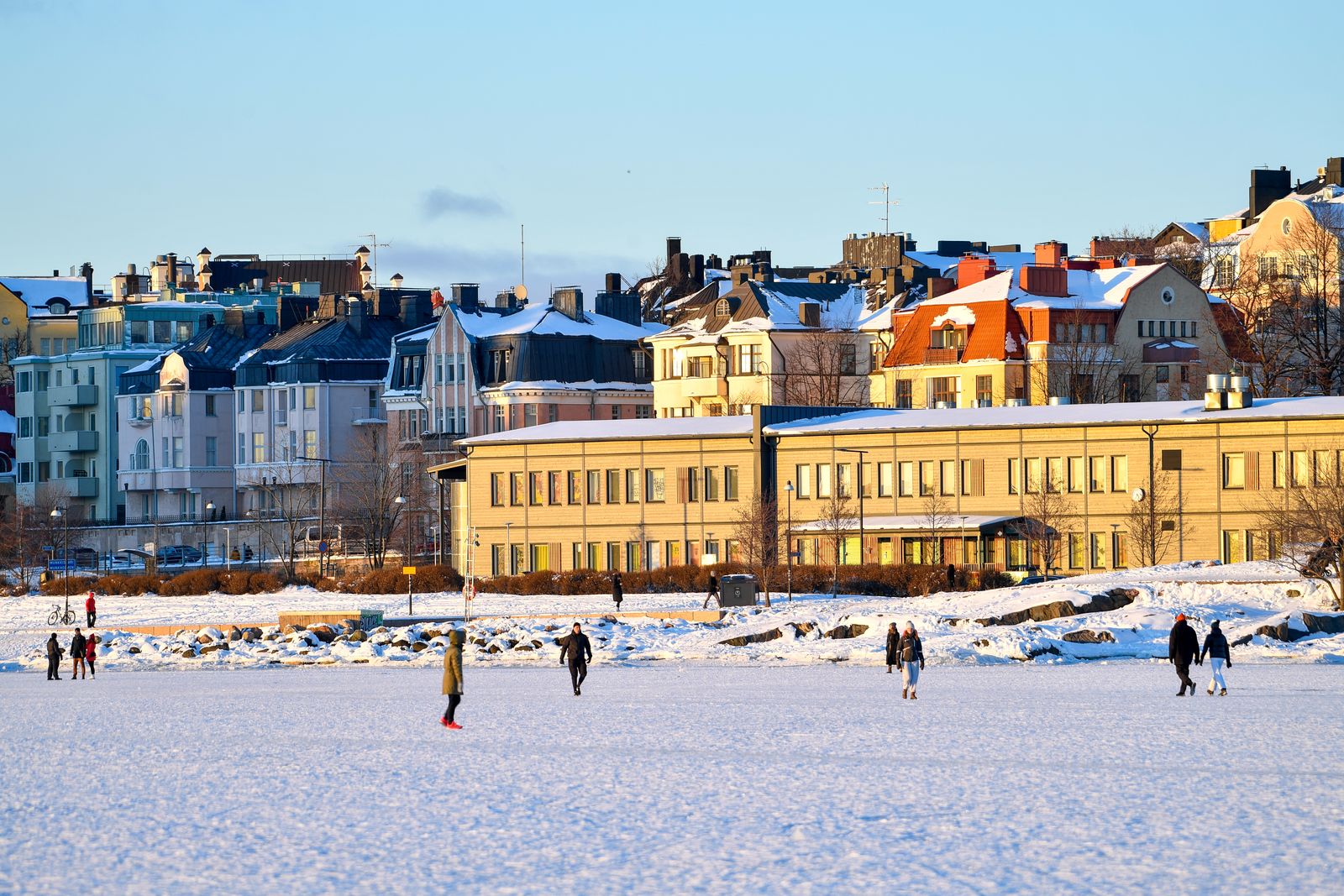
Helsinki and southern Finland can have mild, grey, wet winters with variable snow. Lapland usually has colder, more consistently snowy conditions. A visitor who arrives in Helsinki expecting deep Lapland winter and finds a damp grey city has planned the wrong trip. A visitor who flies to Rovaniemi expecting Helsinki-style services and transport will also be surprised.
Choose the region that matches what you actually want. Combining both can work well, but treat the transfer as a travel day rather than a small detour.
| Southern Finland | Finnish Lapland | |
|---|---|---|
| Snow reliability | Variable, especially early/late season | Generally stronger through core winter |
| Daylight | Short but present | Very limited around midwinter |
| Getting around | Public transport often sufficient | Car useful outside resort centres |
| Best for | City breaks, culture, sauna, food | Snow activities, wilderness, cabins |
3. Indoors Is Genuinely Warm
Finnish buildings are built for cold. Heating is reliable and often generous. Visitors who pack only for outdoor cold sometimes find themselves uncomfortably warm inside restaurants, shops, museums and transport.
The practical implication is that layering matters more than a single very warm outer layer. You want to be able to add and remove layers as you move between outside and inside. A heavy down jacket that cannot be easily packed away becomes a burden in a warm café.
Our Finland winter packing list covers the layering approach in detail.
4. The Cold Feels Different Depending on Wind and Humidity
-10°C in still, dry air in Lapland can feel more comfortable than -5°C in damp, windy conditions in Helsinki. Temperature alone does not tell the full story.
Wind chill is a real factor, particularly in open areas, on fell tops and near the coast. Exposed skin loses heat much faster in wind. Face protection — a balaclava, neck gaiter or scarf that covers the lower face — matters more than many visitors expect.
Humidity also affects how cold feels. The dry cold of inland Lapland is different from the damp cold of coastal southern Finland.
Pack for wind and exposed conditions, not just for the temperature shown in the forecast.
5. Normal Daily Life Continues Normally
Finland does not shut down in winter. Shops, restaurants, museums, public transport and services operate normally. People cycle in Helsinki in January. Children walk to school. Outdoor markets run. Life continues.
This surprises visitors who expect a country in hibernation. It also means that a Finland winter trip does not require a specialist adventure mindset. You can have a perfectly comfortable, enjoyable trip without any extreme cold-weather experience.
The practical implication: do not over-prepare for survival conditions if your trip is mainly cities, resorts and cabins with normal services.
6. Snow and Ice Underfoot Are a Real Hazard
Finnish pavements and paths are maintained, but they are not always clear. Ice underfoot — particularly in towns and cities — is a genuine slip hazard. Visitors who arrive in smooth-soled shoes or fashion boots discover this quickly.
Grippy footwear matters. Waterproof boots with a textured sole are the minimum. Spike attachments (available cheaply in Finnish supermarkets and outdoor shops) can be useful for icy conditions.
This is less dramatic than it sounds, but it is a practical reality that affects every day of the trip.
7. Road Maintenance Is Good — But Conditions Still Vary
Finnish main roads are generally well maintained in winter. Snow ploughs and gritting are regular. This is not a country where a snowfall closes the road network.
What surprises visitors is that "maintained" does not mean "easy". A ploughed road can still be compacted snow or ice. Conditions vary by temperature, recent snowfall and how recently the road was treated. A road that was fine in the morning can be worse by afternoon.
Stopping distances on ice are dramatically longer than on dry tarmac, even with good winter tyres. Speed limits are maximums for good conditions, not targets for every situation.
If you are driving, read the dedicated guide: Driving in Finland in Winter: 7 Mistakes Tourists Should Avoid.
8. Distances and Travel Times Are Longer Than They Look
Finland is a large, sparsely populated country. The distances between places look manageable on a map and are much longer in practice — particularly in winter, when driving is slower and stops take more time.
The drive from Helsinki to Rovaniemi is roughly 830 km. In summer, that is a long day. In winter, with slower speeds, more frequent stops and potential weather delays, it is a two-day journey for most visitors.
An itinerary that tries to cover Helsinki, Tampere, Oulu, Rovaniemi and Levi in a week is too ambitious. Choose fewer places and spend more time at each one.
For a practical route framework, see the Helsinki to Lapland winter road trip guide.
9. Sauna and Cabin Culture Is Central, Not a Tourist Add-On
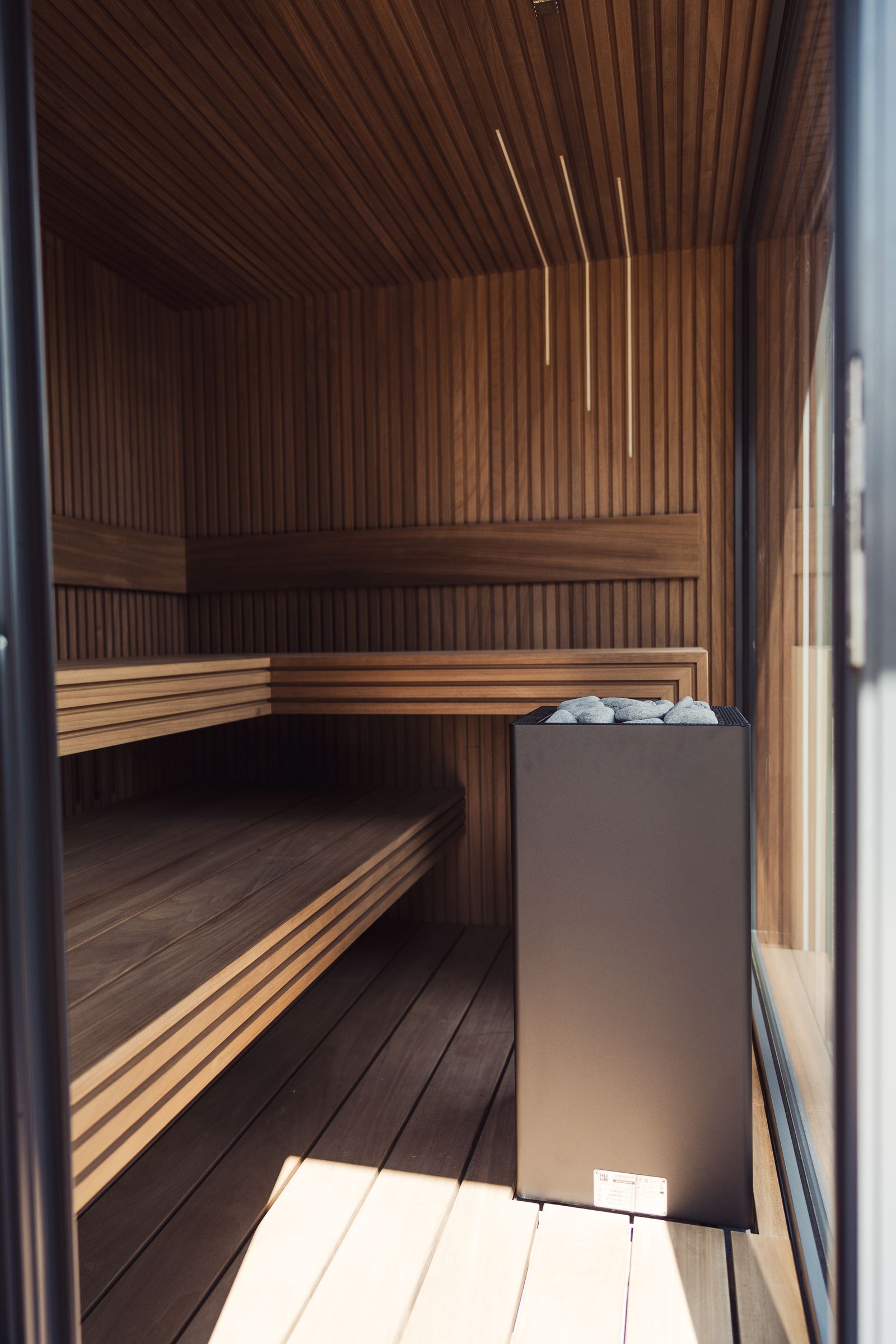
Sauna is not a spa amenity in Finland. It is a normal part of daily life — used for relaxation, socialising and recovery. Many Finns sauna several times a week. A cabin holiday without a sauna is unusual.
For visitors, this means that sauna access is genuinely worth seeking out rather than treating as an optional extra. A lakeside cabin with a wood-burning sauna is a different experience from a hotel sauna. The Finnish sauna etiquette guide explains what to expect and how to behave.
Cabin culture — renting a mökki for a few nights — is also central to how Finns experience the countryside. A cabin stay gives access to a different pace and a different landscape than a hotel or resort. For cabin options, see Finnish cabin holidays.
10. The Northern Lights Are Not Guaranteed
This is the surprise that disappoints the most visitors who have not been warned.
The Northern Lights require darkness, clear skies, a location away from significant light pollution and sufficient solar activity. All four conditions need to align on the same evening. They do not always do so.
A visitor who books a three-night Lapland trip specifically for the Northern Lights and encounters three cloudy nights has not had a failed trip — they have had a normal experience of aurora hunting. The lights are unpredictable.
The practical implication: give yourself multiple evenings, choose accommodation based on the whole trip rather than an aurora claim alone, and treat the Northern Lights as a possibility rather than a scheduled event.
For timing, forecast tools and location advice, see Northern Lights in Finland: Best Times to See Them — and Avoid Light Pollution.
Planning Your Finland Winter Trip
A Finland winter trip rewards realistic expectations and a slower pace. Choose one region rather than trying to cover the whole country. Build in a day of flexibility for weather. Pack for layering rather than one extreme outer layer.
Getting around: A rental car is most useful for rural cabins, national parks and flexible routes. Helsinki, rail-based itineraries and many resort stays work well without one. If self-drive fits your plans, start with the Finland car rental guide.
Accommodation: Compare options before you book. Expedia covers hotels and other accommodation across Finland. Lomarengas is the place to look for Finnish cabins and holiday homes.
Ad links: Expedia / Lomarengas. We may earn a commission at no extra cost to you. Opens in a new tab. Read more.
Lapland base: For choosing between Rovaniemi, Levi, Ylläs and Saariselkä, see Where to Stay in Lapland: Choose the Right Base for Your Trip.
Related reading: Finland winter packing list · Driving in Finland in Winter: 7 Mistakes Tourists Should Avoid · Where to Stay in Lapland · Northern Lights in Finland · Finnish cabin holidays
Topics
Continue planning