Winter Road Trips
Winter Road Trip in Finland: What Can Go Wrong — and How to Avoid It
A Finland winter road trip can be one of the best ways to see the country. It can also go wrong in predictable ways. Here is what to watch for and how to prevent it.
9 min readRoadTripFinland
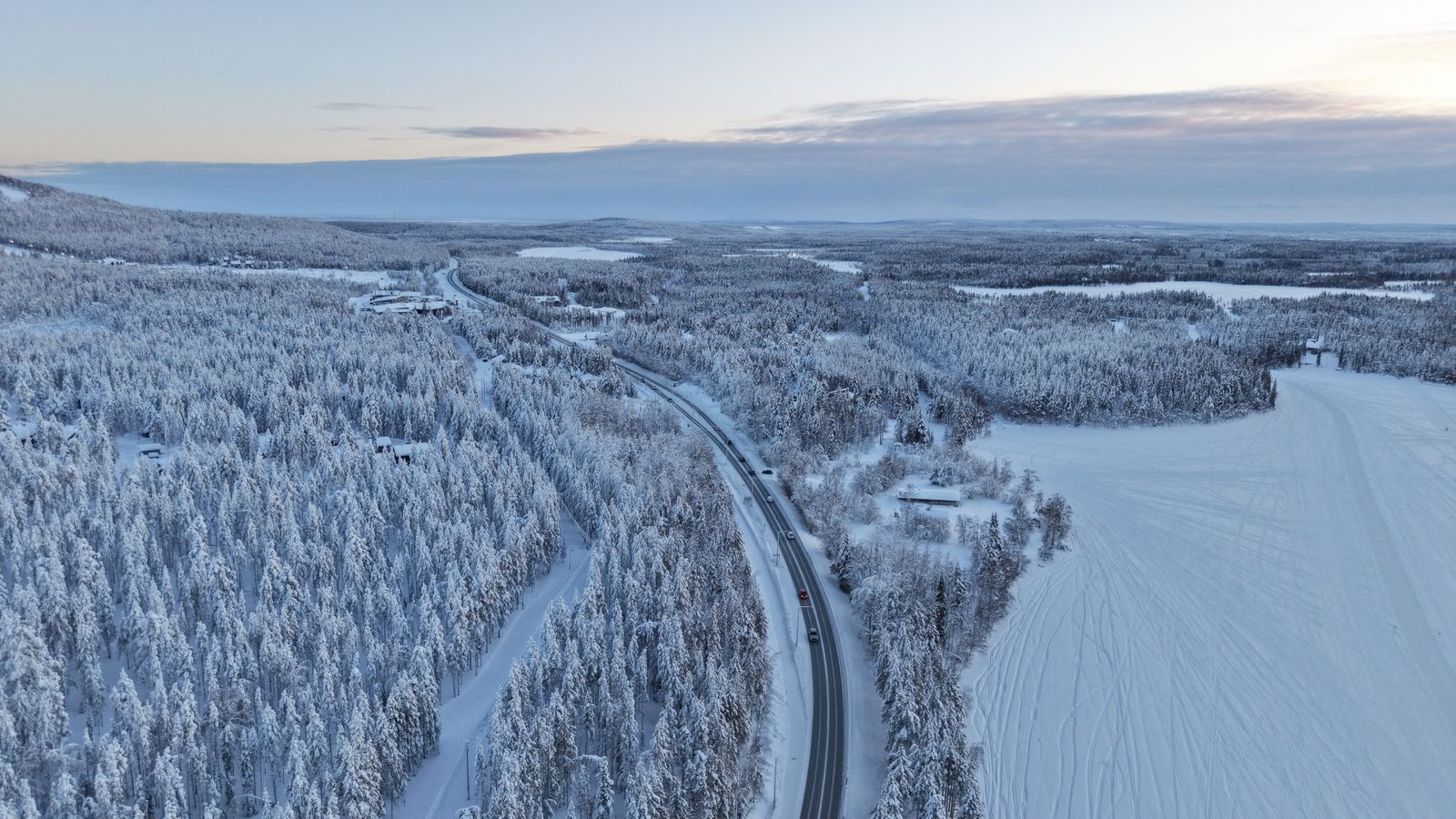
A winter road trip in Finland can be one of the best ways to see the country. The roads are quiet, the landscape is extraordinary and a rental car gives you access to places that transfers and tours cannot reach.
It can also go wrong in predictable ways.
This guide is not about scaring you off a self-drive trip. It is about the specific things that catch visitors out — and what to do about each of them before they become a problem.
1. Underestimating How Much Weather Changes the Journey
The most common mistake is treating a Finnish winter drive like a summer drive with snow on the ground.
Weather in Finland can change quickly. A road that was fine in the morning can be significantly worse by afternoon. Visibility can drop sharply in blowing snow. A temperature change of a few degrees can turn a manageable surface into a genuinely slippery one.
Prevention: Check road and weather conditions before every long drive, not just at the start of the trip. Fintraffic's road condition service (liikennetilanne.fintraffic.fi) shows current conditions and maintenance status. The Finnish Meteorological Institute (fmi.fi) provides weather forecasts. Use both.
Build time into your schedule for conditions to be worse than expected. A drive that takes two hours in good conditions may take three in poor ones.
2. Poor Visibility: Darkness, Snow Glare and Blowing Snow
Darkness is a real factor in Finnish winter driving, particularly in Lapland. In December and January, daylight in northern Finland can be very limited. Driving in complete darkness on an unfamiliar road is harder than it sounds.
Snow glare in low winter sun can be equally disorienting. Blowing snow can reduce visibility to almost nothing in open areas.
Prevention: Plan your driving around available daylight where possible. If you must drive in darkness, reduce speed, increase following distance and use your lights correctly. Do not rely on the road looking clear ahead — conditions can change at the next bend.
Carry sunglasses for low-sun glare. Keep your windscreen clear inside and out.
3. Slippery Roads: What Winter Tyres Do and Do Not Do
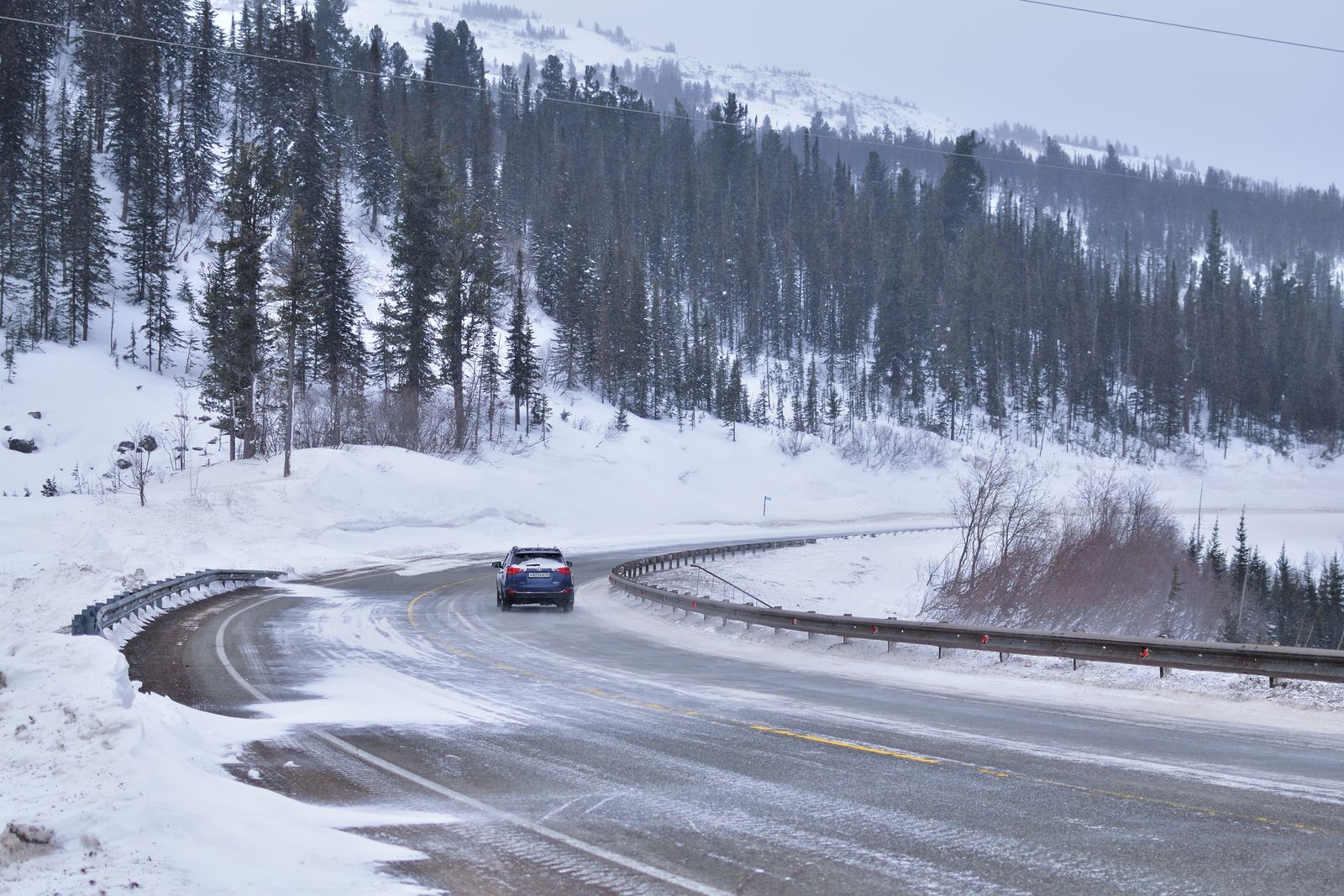
Winter tyres are mandatory in Finland during winter conditions. They make a significant difference to grip when pulling away, cornering and driving on snow. They do not make braking on ice safe at normal summer speeds.
Stopping distances on ice are dramatically longer than on dry tarmac, even with good winter tyres. This is the detail that catches visitors out most often.
Prevention: Slow down significantly on any surface that looks icy or compacted. Increase following distance far beyond what feels normal. Brake gently and early. Avoid sudden steering inputs.
Do not assume that because the car feels stable, the road is safe. A car can feel fine until the moment it does not.
4. Choosing the Wrong Rental Car for the Actual Trip
A small city car with winter tyres can handle maintained Finnish main roads. It is a different proposition on a steep, snowy cabin access road or a rural track that has not been cleared recently.
The problem is not always the car itself — it is the mismatch between the car and the specific roads you are actually driving.
Prevention: Think about the last kilometre, not just the main route. If your accommodation is on a cabin road, a forest track or a steep hill, ask the rental company about vehicle suitability. A higher-riding car with AWD gives more margin on difficult final approaches.
For a full breakdown of vehicle choice, see what type of rental car you need in Finland and whether you need a 4x4 in Finnish Lapland.
Compare rental cars in Finland on DiscoverCars — check winter-equipment terms and vehicle type before booking.
Ad link: DiscoverCars. We may earn a commission at no extra cost to you. Opens in a new tab. Read more.
5. Cabin Access Roads
This is a specific version of the wrong-car problem, but it deserves its own section because it catches people out so reliably.
A cabin road in Finnish Lapland may be ploughed, but ploughed does not mean easy. A dip followed by an uphill section, a narrow track with soft edges, or a steep approach with a sharp bend can all stop a low-clearance car even when the main road was fine.
Prevention: Ask the cabin owner or rental agency about the access road before you arrive. Ask specifically: is it steep? Is it narrow? Has it been cleared recently? Is AWD recommended?
If you arrive and the road looks genuinely difficult, do not commit to it without being confident you can get back out. Getting stuck on a cabin road in winter is a serious inconvenience.
6. Underestimating Travel Time
Finnish distances are long. The drive from Helsinki to Rovaniemi is roughly 830 km. In summer, that is a long but manageable day. In winter, with slower speeds, more frequent stops and potential weather delays, it is a two-day journey for most visitors.
An over-ambitious itinerary — too many destinations, too little time between them — creates pressure to drive faster than conditions allow.
Prevention: Build the itinerary around realistic winter driving times, not map distances. Allow for stops, fuel, charging, meals and weather. If the schedule requires driving fast to stay on time, the schedule is wrong.
For a practical route framework, see the Helsinki to Lapland winter road trip guide.
7. Fuel and EV Charging in Rural Areas
Running low on fuel or battery charge in a remote area is a preventable problem. Petrol stations in rural Finland can be far apart, and not all are staffed or open late.
For EV drivers, the same applies to charging. A charger that appears on a map may be out of service, occupied or unsuitable for your car.
Prevention: Keep fuel above a comfortable reserve in rural areas — do not wait until the warning light. For EV drivers, identify a backup charging stop for every planned stop. Do not aim to arrive at a remote charger with almost nothing left.
For EV route planning, see EV Charging in Finland: What You Need to Know Before You Drive.
8. Fatigue and Long Driving Days
Winter driving is more tiring than summer driving. Concentration is higher, visibility is lower and the mental load of managing conditions adds up over a long day.
Fatigue is a genuine road safety risk. It is also one that drivers consistently underestimate in themselves.
Prevention: Plan shorter driving days than you would in summer. Take breaks every two hours or so. If you feel tired, stop — not at the next town, but now. A short rest is far less costly than a mistake.
Do not drive through the night to make up time. If the schedule requires it, the schedule needs to change.
9. Wildlife on the Road
Reindeer and elk are a genuine hazard on Finnish roads, particularly in Lapland and rural areas. Reindeer in particular can appear suddenly and do not behave predictably around vehicles.
A collision with a large animal at speed is serious. Reindeer are especially common near roads in winter because road surfaces can be easier to walk on than deep snow.
Prevention: Reduce speed in areas marked with wildlife warning signs. Scan the road edges, particularly at dawn and dusk. If you see one reindeer, assume there are more nearby. Do not swerve sharply — brake firmly and straight.
10. An Over-Ambitious Itinerary
This is the underlying cause of several of the problems above. A trip that tries to cover too much ground in too little time creates pressure at every stage: pressure to drive faster, to skip rest stops, to push on despite deteriorating conditions.
Prevention: Build the itinerary around what is comfortable, not what is theoretically possible. Leave a day of flexibility for weather delays. Choose fewer destinations and spend more time at each one.
A winter road trip in Finland is best enjoyed slowly.
When to Wait Instead of Drive
Sometimes the right decision is not to drive at all.
Official Finnish sources to check before a long drive:
- Fintraffic road conditions: liikennetilanne.fintraffic.fi — current road condition and maintenance status
- Finnish Meteorological Institute: fmi.fi — weather forecasts and warnings
- Traficom road safety: traficom.fi — general road safety guidance
If the forecast shows a significant storm, heavy snowfall or a sharp temperature drop on your planned driving day, consider delaying. A day spent at your current location is not a failed trip. Driving into a storm on an unfamiliar road is a genuine risk.
Signs that waiting is the better choice:
- Storm warning or heavy snowfall forecast on your route
- Visibility forecast below comfortable driving levels
- Road condition service showing untreated or very slippery roads
- You are already tired from the previous day's drive
- The schedule is tight enough that you would need to drive fast to stay on time
Equipment to Have in the Car
- Ice scraper and snow brush
- Jump leads or a portable jump starter
- Warm blanket or sleeping bag
- Torch
- Shovel (small folding type is enough)
- Water and snacks
- Charged phone with emergency number 112 saved
- Accommodation address and contact number accessible without internet
Final Thought
A winter road trip in Finland rewards preparation and patience. The problems above are predictable — which means they are avoidable. Check conditions, choose the right car, build realistic timing and be willing to wait when the weather says to.
The trip is better when you are not rushing.
Related reading: Driving in Finland in Winter: 7 Mistakes Tourists Should Avoid · What type of rental car do you need in Finland? · Do you need a 4x4 in Finnish Lapland? · Helsinki to Lapland winter road trip · Finland winter packing list
Topics
Continue planning